
There was a stretch where people kept asking me if I was tired.
Not in a caring way.
More like: “You good, man?”
The annoying part? I wasn’t tired.
I was sleeping fine. I was working out. I wasn’t partying. I wasn’t sick.
But my face told a different story—dull skin, puffy eyes, slightly droopy expression that made me look like I was running on fumes.
That’s when I realized something uncomfortable:
Looking tired isn’t always about sleep.
It’s about what your face is quietly signaling.
Here’s what I learned—through trial, error, and some blunt self-observation.
1. Dehydration Lies to Your Face First
I thought drinking water was a checkbox habit. Turns out, it’s a visible one.
When I wasn’t hydrated enough:
- My skin looked flat and lifeless
- Fine lines showed up faster
- My under-eye area looked darker, even on good days
And no—coffee doesn’t count.
I love coffee. I respect coffee. But coffee is a negotiator, not a solution.
What actually helped:
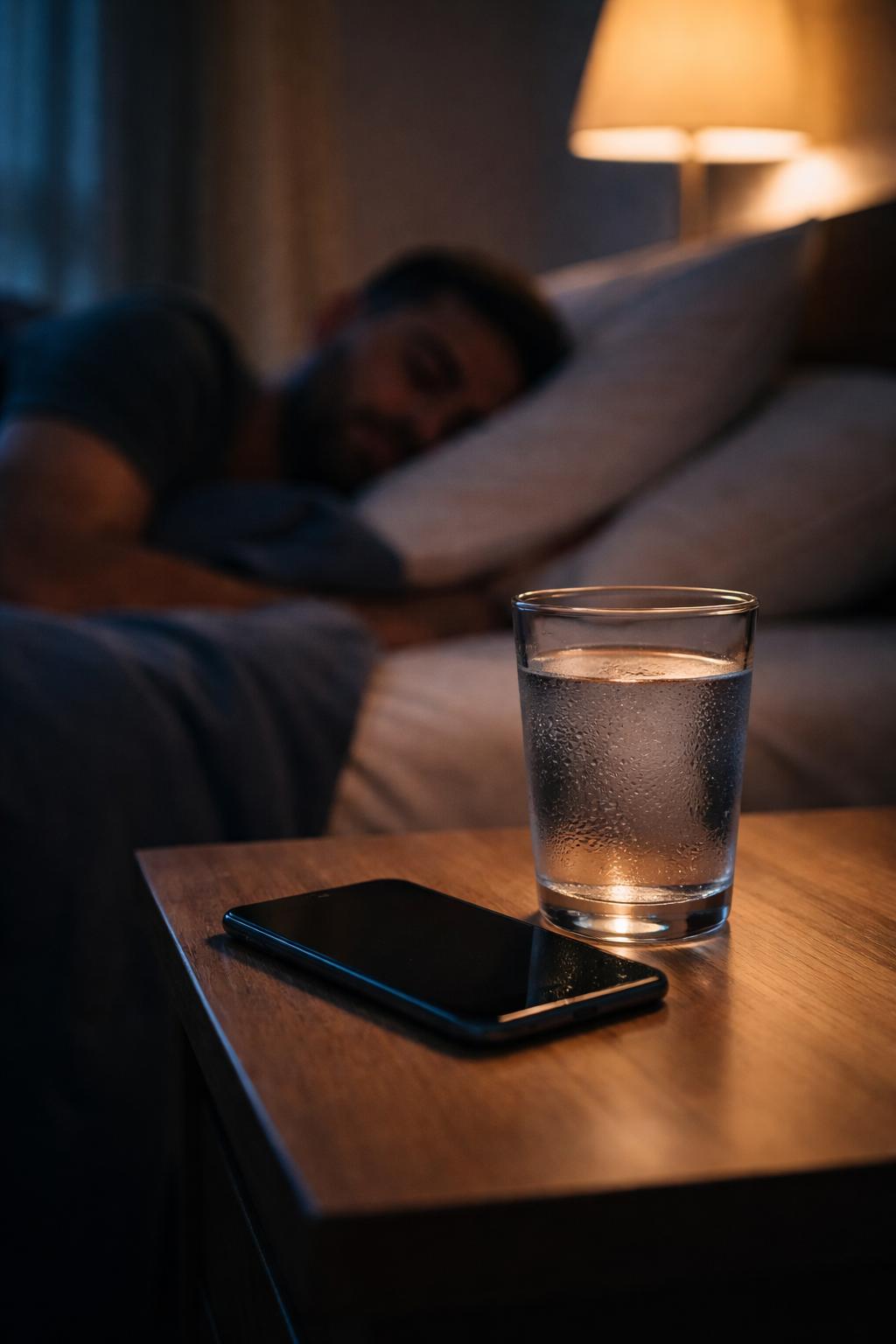
- Water before caffeine
- Consistent intake instead of chugging
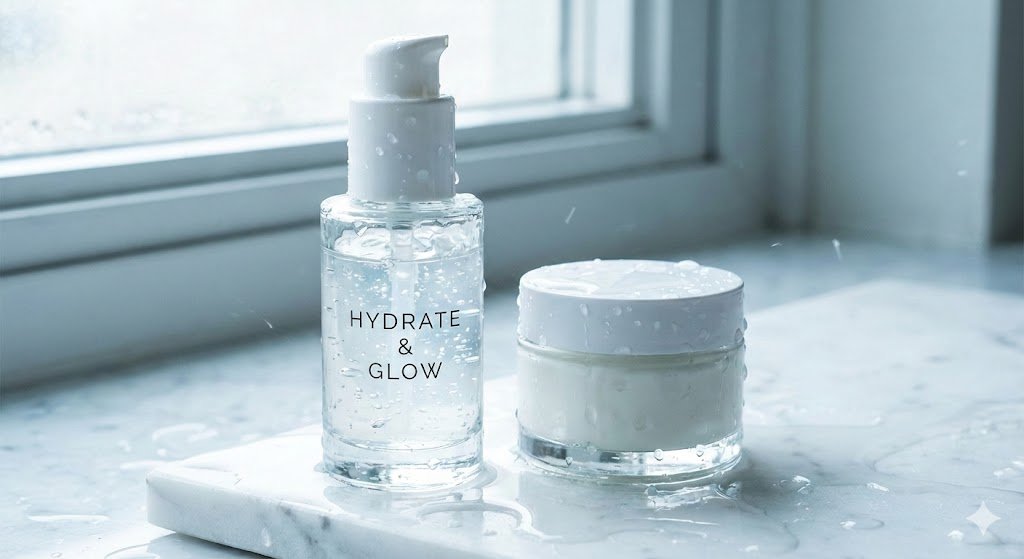
- Light moisturizer at night (nothing heavy)
Within a week, my face stopped looking “deflated.”
2. Under-Eye Darkness Isn’t Always a Sleep Issue
This one was humbling.
I kept blaming sleep, but the mirror didn’t agree.
Some darkness is:
- Bone structure
- Thin skin
- Genetics
Trying to “fix” that with random eye creams just made me look shiny and desperate.
What worked better:
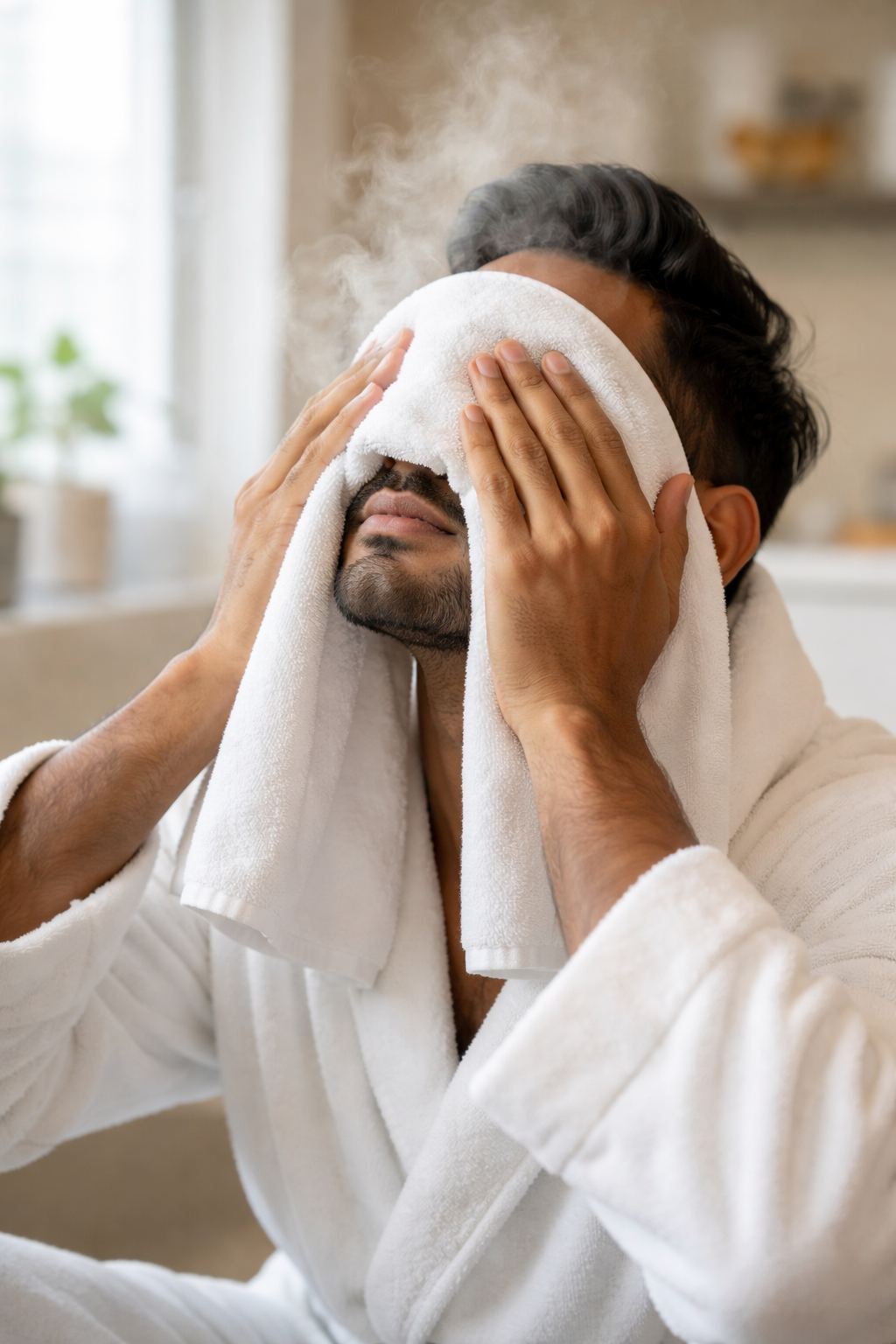
- Cold water in the morning
- Less salt late at night
- Accepting that not everything needs a product
The goal wasn’t to erase it—it was to stop it from looking worse than it already was.
3. Puffiness = Inflammation, Not Laziness
On some mornings, my face looked swollen. Not fat—just inflamed.
Usually after:
- Salty dinners
- Alcohol
- Bad sleep posture
I wasn’t tired. I was reactive.
Simple fixes that helped:
- Washing my face with cool water
- Avoiding late-night heavy meals
- Sleeping slightly elevated
No jade rollers. No rituals. Just physics and consistency.
4. Screen Strain Shows Up on Your Face
This surprised me the most.
Long screen hours didn’t just affect my eyes—they changed my expression.
- Droopy eyelids
- Tension around the brow
- That half-alert, half-fried look
Even when I felt mentally fine.
What helped:
- Short screen breaks
- Looking outside (actual distance matters)
- Being conscious of facial tension
Relaxed face = more alert appearance. Simple, but overlooked.
5. “Tired” Is Often a Grooming Signal
This one’s blunt.
Sometimes my face looked tired because:
- My skin was oily but dehydrated
- My lips were dry
- My eyebrows were messy
- My overall look lacked sharpness
Not ugly. Just unchecked.
Once I tightened up the basics, the comments stopped.
What I Learned
Looking tired doesn’t mean you are tired.
It means:
- Your skin lacks balance
- Your face holds stress
- Your habits are showing before you speak
This isn’t about vanity.
It’s about presence.
When your face looks alert, people treat you like you’re alert—whether you say a word or not.
And no, you don’t need a 12-step routine.
You just need to stop ignoring the quiet signals.
Disclaimer: This article reflects personal experience and general grooming habits. It is not medical advice. Skin concerns can vary based on genetics, health conditions, and environment. Consult a qualified professional for medical or dermatological concerns.