
Why I Started Doing Dead Hangs
I didn’t start this for aesthetics.
I started because my lower back felt tight. My shoulders felt compressed. Too much sitting. Too much desk work. Too much forward posture.
And here’s the reality: modern life compresses you.
Your spine gets loaded.
Your shoulders round forward.
Your grip gets weaker because everything is ergonomic.
So I went back to something primitive.
Just hanging.
One minute. Every day. For 30 days.
What Is a Dead Hang?
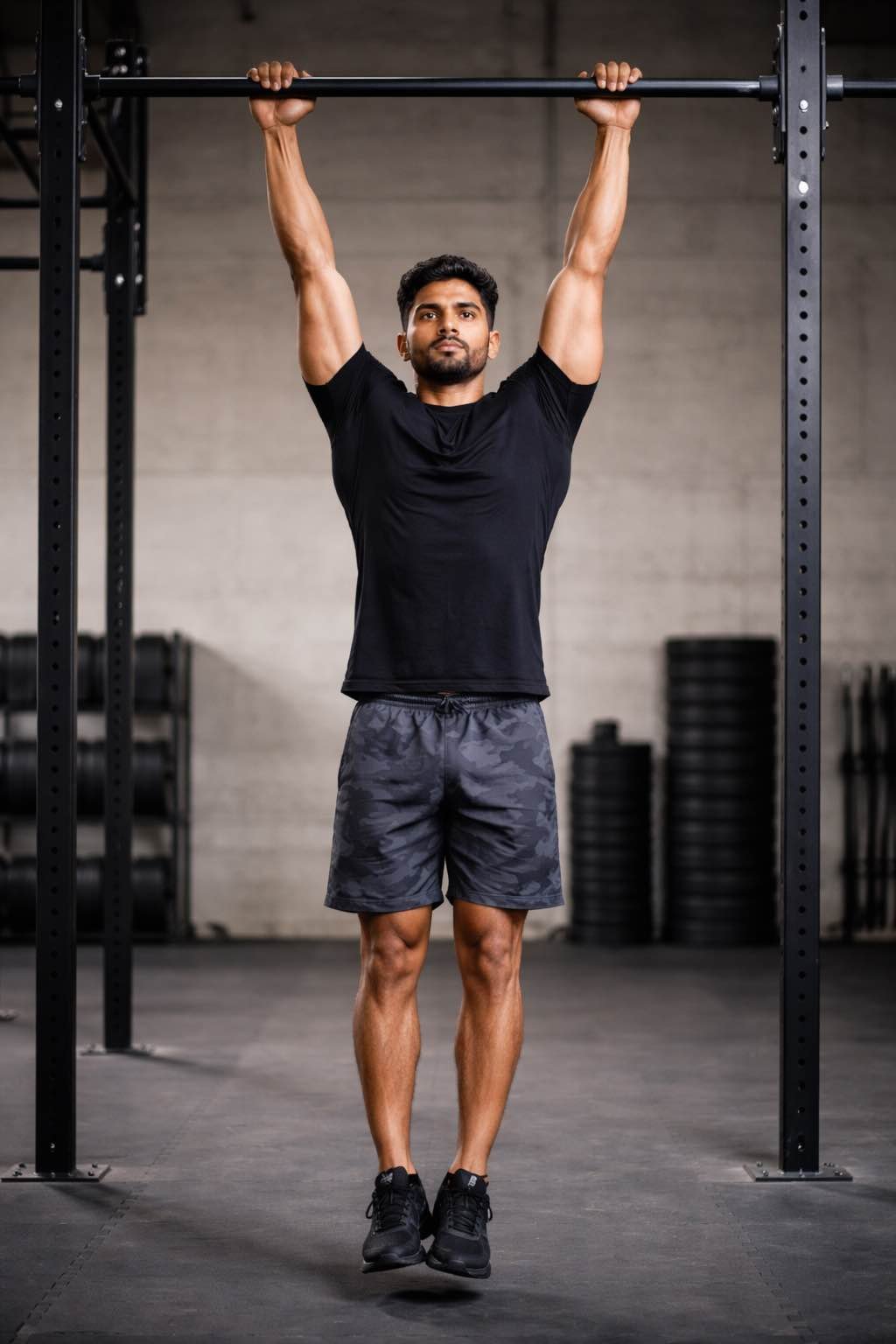
A dead hang is simple:
- Grab a pull-up bar.
- Hang with arms fully extended.
- Let your body relax.
- Feet off the ground.
- No swinging.
- No pulling.
That’s it.
It’s basic. Almost embarrassingly basic.
Which is exactly why it works.
1. Noticeably Less Lower Back Pain
This was the first thing I felt.
After about a week, my lower back didn’t feel as compressed. There was less of that tight, dull ache after long periods of sitting.
Why?
Because hanging creates passive spinal decompression.
Gravity gently pulls your spine downward. Your vertebrae get space. Your discs get relief.
It’s not magic. It’s mechanics.
When you hang, you’re literally counteracting the compression from sitting, walking, lifting, and existing.
After 30 days, I felt lighter in my lower back. Not “cured,” but clearly better.
For a 1-minute investment per day? That’s a trade I’ll take.
2. Reduced Shoulder Tension and Pain
I didn’t expect this one to be so obvious.
My shoulders used to feel tight in the front — especially from working out and typing.
Dead hangs force your shoulders into full overhead extension. That position:
- Opens up the chest
- Stretches the lats
- Strengthens passive shoulder stability
- Improves scapular positioning
Over time, I noticed:
- Less clicking
- Less stiffness
- Better overhead mobility
If you train chest and shoulders but never fully extend overhead, you’re leaving range of motion on the table.
Dead hangs restore that.
3. Massive Improvement in Grip Strength
This one is undeniable.
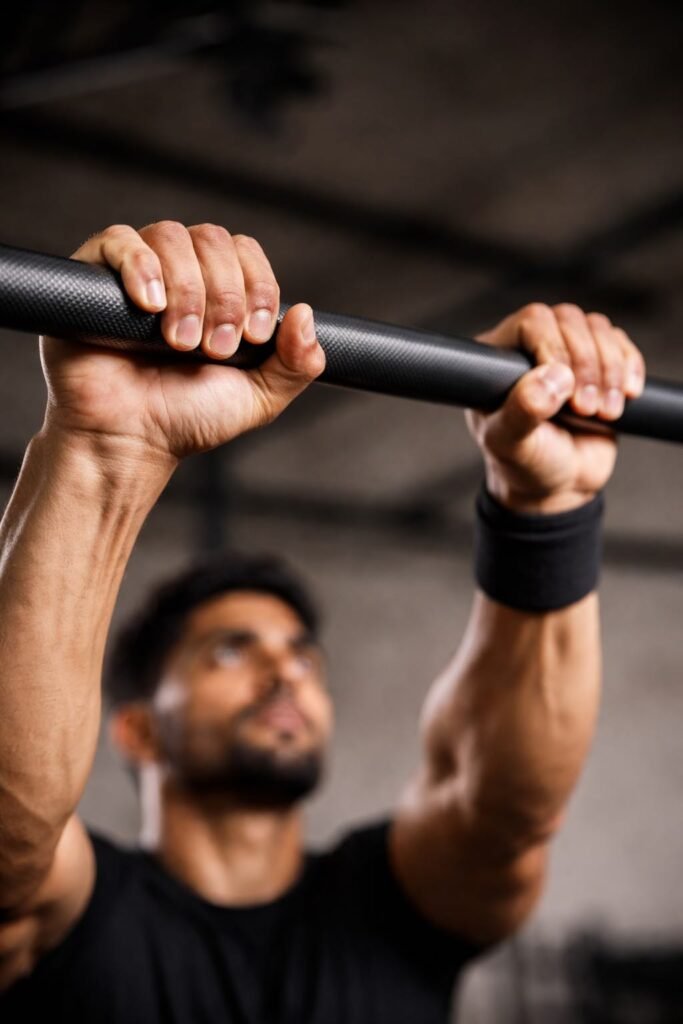
Grip strength is foundational strength.
You can’t deadlift heavy.
You can’t row heavy.
You can’t control your bodyweight.
If your grip fails.
After 30 straight days of hanging:
- My grip endurance improved.
- Pull-ups felt more stable.
- Forearms felt stronger and fuller.
One minute sounds short. Try holding your bodyweight for 60 seconds daily. Your nervous system adapts quickly.
Strong grip correlates with overall strength and longevity markers. It’s not just gym vanity.
It’s functional.
4. Posture Feels More “Open”
This is hard to quantify but easy to feel.
Hanging resets your upper body.
Your chest opens.
Your shoulders depress.
Your spine elongates.
You walk away feeling taller.
We spend our lives hunched over screens. Hanging is the opposite pattern. It’s corrective.
You don’t need complicated mobility drills. Sometimes you just need gravity and a bar.
5. You Can Do It Anywhere
This is the best part.
You don’t need:
- Gym membership
- Expensive equipment
- 45-minute time block
- Fancy programming
All you need is:
- A pull-up bar
- A park bar
- A squat rack
- Even sturdy monkey bars
One minute.
You can do it:
- Before a workout
- After a workout
- During a study break
- In your garage
- In your doorway
Consistency wins because it’s simple.
How I Structured My 30 Days
I kept it extremely basic:
- 1 set
- 60 seconds
- Every single day
- No excuses
If I couldn’t hit 60 seconds straight, I broke it into two 30-second hangs.
But I always accumulated one full minute.
That’s the rule.
Who Should Try Dead Hangs?
Men who:
- Sit a lot
- Lift weights regularly
- Have tight shoulders
- Feel lower back compression
- Want stronger grip without overthinking it
If you already train hard, this complements your training.
If you don’t train at all, this is a perfect starting point.
It’s low risk. High return.
Final Verdict After 30 Days
Lower back pain: improved
Shoulder tension: reduced
Grip strength: stronger
Posture: more open
Time required: 1 minute
Dead hangs are not flashy.
But they work.
Sometimes the most effective movements are the ones humans have been doing forever — climbing, hanging, supporting their own bodyweight.
You don’t need biohacks.
You need consistency.
And gravity.
FAQ
Does dead hang help lower back pain?
Yes, hanging creates passive spinal decompression, which may reduce compression-related lower back discomfort.
How long should you dead hang daily?
Beginners can start with 20–30 seconds and gradually build up to 60 seconds daily.
Can dead hangs improve grip strength?
Yes. Supporting your full bodyweight increases forearm and grip endurance significantly.
Is it safe to dead hang every day?
For most healthy individuals, yes. However, those with shoulder or spine injuries should consult a medical professional first.
Disclaimer
This article reflects personal experience and is for informational purposes only. If you have existing shoulder injuries, spinal conditions, or chronic pain, consult a qualified medical professional before starting any new exercise routine.