
How My Apple Watch Helped Me Stay Consistent for 8 Years
I’ve been wearing my Apple Watch for eight years.
But here’s the honest part:
For the first three years, I didn’t care about the fitness features at all.
It was basically an expensive notification screen.
Emails. Messages. Calendar alerts.
That was it.
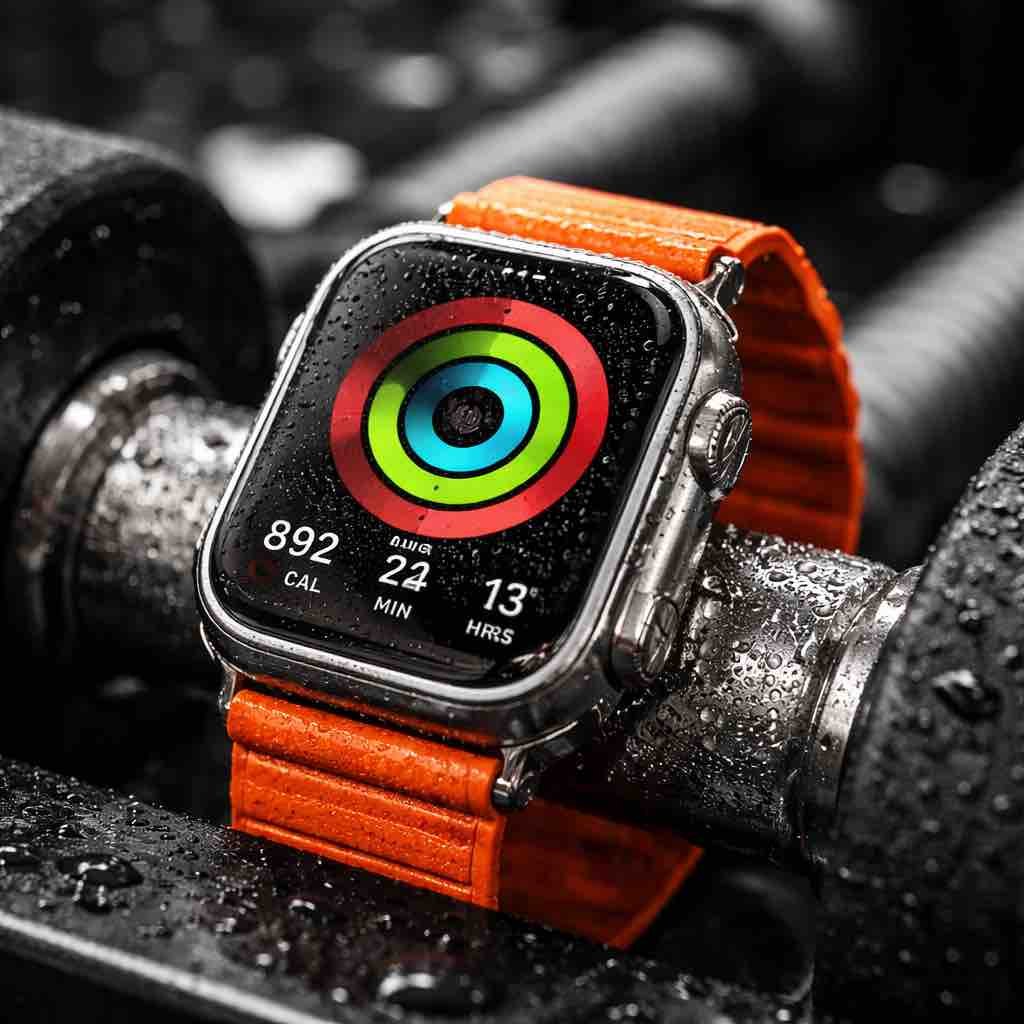
If you had asked me back then whether those rings mattered, I would’ve shrugged. They were just colorful circles floating on a screen.
I treated those first three years like I was device-free when it came to training. I still worked out. I still moved. But the watch wasn’t part of the system.
And that’s what makes the shift interesting.
Years 1–3: The “I Don’t Care” Phase
I wasn’t anti-fitness. I just didn’t connect the dots.
The Move ring? Random number.
Exercise minutes? Didn’t track intentionally.
Stand reminders? Ignored.
The watch was convenience. Not accountability.
Looking back, that period was unstructured. I trained based on feel. Some weeks were solid. Some weeks drifted.
No data. No trends. No objective measure.
Just vibes.
Years 4–8: When It Quietly Became a System
The change wasn’t dramatic.
It was subtle.
One day I noticed I was close to closing the Move ring. I walked a bit more.
Another day I saw I barely hit my exercise minutes. I added a short finisher.
Nothing heroic. Just adjustments.
And slowly, that “notification device” became a feedback device.
The Apple Watch stopped being passive and started acting like a mirror.
You either hit the numbers—or you didn’t.
The Psychology of Closing Rings
The rings look simple.
But psychologically, they’re powerful.
An incomplete circle feels unfinished.
A closed circle feels resolved.
That small daily completion builds momentum.
When I see the Move ring almost closed at night, I don’t negotiate. I move.
Quick walk.
Push-ups.
Squats.
Core finisher.
Five to ten minutes. That’s it.
But over years? That compounds.
Data Removed the Guesswork
Before I used the watch intentionally, I thought I was consistent.
After tracking seriously, I knew whether I was.
There’s a difference.
You see:
- Resting heart rate trends
- Active calorie patterns
- Weekly activity averages
- Monthly summaries
Eight years of data creates perspective.
I can scroll back and see when I trained harder. When I drifted. When stress showed up physically.
That kind of historical record changes how you approach health.
It stops being emotional. It becomes measurable.
The Limited Edition Challenges
This part sounds trivial—but it matters.
The random limited-edition activity badges.
Holiday challenges. Monthly streaks. Special goals.
When they pop up, it feels like unlocking a bonus level.
It breaks monotony. It keeps engagement high.
You don’t need them. But they keep things fresh.
And freshness prevents burnout.
What Actually Changed
The watch didn’t make me fitter.
It made me consistent.
Consistency is boring.
But boring wins.
For someone structured, routine-driven, and focused on long-term health (especially when blood sugar control matters), daily tracking removes excuses.
You either closed the ring—or you didn’t.
No storytelling.
Is It Necessary?
No.
People built strong bodies with notebooks and wall calendars.
But this is just a modern ledger.
The Apple Watch is a wearable training log that happens to sit on your wrist.
It doesn’t replace discipline.
It reinforces it.
My Thought
The first three years, I didn’t care.
The next five years, I couldn’t imagine training without it.
That’s how habits work. They don’t announce themselves. They grow quietly until they become part of your identity.
Close the ring.
Repeat tomorrow.
Do it for years.
That’s the real transformation.